
Nature is filled with relationships that are easy to overlook. A bee visits a flower, a bird eats a berry, a squirrel buries a seed, or a caterpillar feeds on a leaf. These may seem like simple everyday events, but each interaction can connect different species in ways that help entire ecosystems survive.
Plants and animals have developed countless relationships over millions of years. Some are partnerships in which both species benefit. Others involve one species receiving food or shelter while another gains a different advantage. Even relationships that appear one-sided can influence the balance of an ecosystem.
These connections demonstrate an important truth about nature: no species exists completely on its own. Plants provide food, oxygen, shelter, and habitats for animals, while animals can pollinate plants, disperse their seeds, control populations of other organisms, and transport nutrients.
Together, plants and animals form complex ecological networks that keep forests, grasslands, wetlands, deserts, and other environments functioning.
Why Plants and Animals Need Each Other
Plants are often considered the foundation of terrestrial ecosystems because they capture energy from sunlight through photosynthesis. They use this energy to produce organic matter that supports themselves and, directly or indirectly, countless animals.
Herbivores eat plants. Predators eat herbivores. Decomposers process the remains of plants and animals and return nutrients to the environment.
But the relationship does not stop with animals consuming plants.
Animals can provide important services to plants. Bees transfer pollen between flowers. Birds and mammals carry seeds to new locations. Some animals create spaces where plants can grow, while others influence vegetation by grazing or browsing.
This creates a network of interactions rather than a simple one-way relationship.
Bees and Flowers: A Partnership Built on Pollination
One of the best-known relationships between plants and animals is the connection between flowering plants and pollinators.
Bees visit flowers primarily to collect nectar and pollen. Nectar provides energy, while pollen provides important nutrients. As bees move from flower to flower, pollen can stick to their bodies and be transferred to other flowers.
For many flowering plants, this transfer is essential for successful reproduction.
The relationship benefits both sides. The plant receives help with pollination, while the bee receives food.
Bees are not the only animals involved. Butterflies, moths, beetles, flies, birds, bats, and other animals can also pollinate plants.
Some plant species have developed highly specialized relationships with particular pollinators. The flower may have a specific shape, scent, color, or flowering schedule that matches the behavior of a particular animal.
These relationships show how evolution can produce remarkably precise ecological partnerships.
Birds and Fruits: Nature’s Seed Delivery Service
A colorful berry hanging from a forest shrub may be more than food. It can also be a package containing seeds designed to travel.
Birds and mammals frequently eat fruits and later move away from the parent plant. The seeds may pass through the animal’s digestive system and eventually be deposited somewhere else.
This process is known as seed dispersal.
Moving seeds away from the parent plant can reduce competition for sunlight, water, and nutrients. It can also allow plants to colonize new areas.
Some plants have evolved fruits that are especially attractive to animals. Bright colors, sweet flavors, and nutritious flesh can encourage animals to consume them.
The animal receives a meal, while the plant gains a transportation service.
Squirrels and Trees: An Unexpected Forest Partnership
Squirrels provide another fascinating example of how animal behavior can influence plant reproduction.
Many squirrels collect nuts and seeds and bury them in different locations for later consumption. Because squirrels cannot always recover every seed they store, some remain underground.
If conditions are suitable, those forgotten seeds can eventually germinate.
In this way, a squirrel searching for future food can unintentionally help a forest regenerate.
This relationship is particularly interesting because the animal does not need to consciously help the tree. The ecological benefit emerges naturally from the animal’s own behavior.
Birds That Help Forests Grow
Many forest birds contribute to seed dispersal and plant reproduction.
Fruit-eating birds can transport seeds over significant distances, sometimes crossing gaps between patches of vegetation. This can help plants spread across landscapes.
Birds also interact with plants in other ways. Some consume insects that feed on vegetation, indirectly reducing pressure on plants. Others create cavities in trees that later become shelter for insects, mammals, or other birds.
A forest tree can therefore support an entire community of animals, while those animals can influence what grows around it.
Plants Provide More Than Food
Plants are essential animal habitats.
A large tree can provide nesting sites for birds, cavities for bats, shelter for insects, and surfaces for climbing animals. Dense shrubs can provide cover for small mammals and birds. Grasses can shelter insects and ground-dwelling animals.
Even dead plants remain valuable.
Fallen logs can become habitats for beetles, fungi, amphibians, and microorganisms. Fallen leaves provide food and shelter for organisms living in the soil.
A plant’s ecological value therefore continues through many stages of its life cycle.
Ants and Plants: Partnerships Underground and Above Ground
Some plants have developed remarkable relationships with ants.
Certain plants provide ants with food or shelter. In return, ants may defend the plant from herbivorous insects or other threats. In some ecosystems, ants can also transport seeds.
Seed dispersal by ants is particularly interesting. Some plants produce seeds with nutrient-rich structures that attract ants. The ants carry the seeds back to their nests, consume the edible portion, and leave the seed in a location where it may eventually germinate.
This relationship benefits the plant while providing the ants with food.
It is another example of how cooperation can emerge from the everyday survival activities of different species.
Herbivores Shape Plant Communities
Not every plant-animal relationship is mutually beneficial, but even feeding relationships can have important ecological consequences.
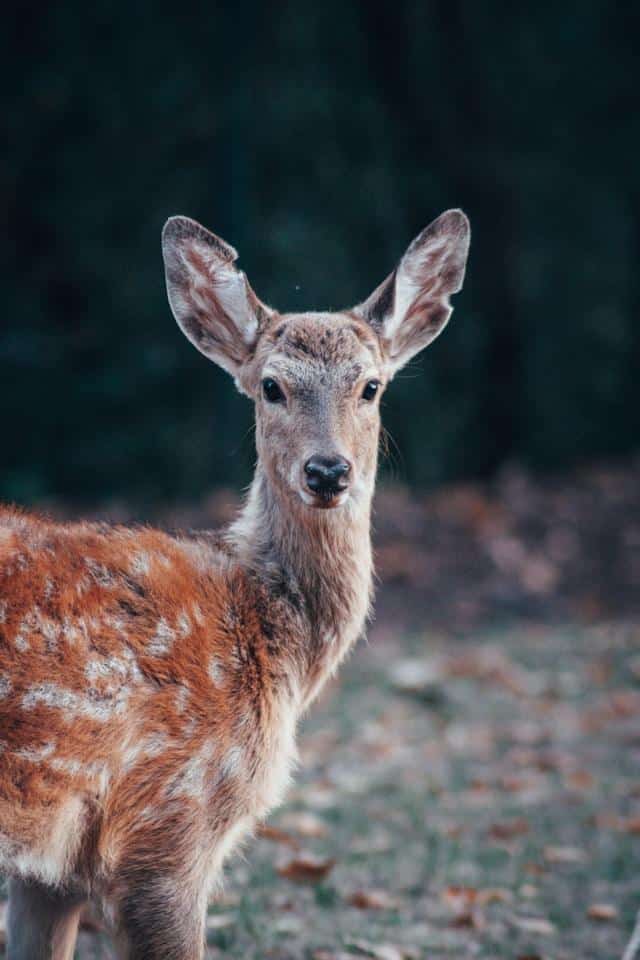
Herbivores such as deer, rabbits, insects, and other animals consume vegetation. Their feeding can influence which plants become dominant and how vegetation is distributed.
Moderate grazing or browsing can sometimes contribute to habitat diversity by preventing particular plant species from becoming overwhelmingly dominant. However, excessive herbivory can damage vegetation and prevent forests or grasslands from regenerating.
The effect depends on the ecosystem, species involved, and population levels.
Herbivores are therefore not simply consumers of plants. They can help shape the structure of entire habitats.
Predators Protect Plants in Indirect Ways
The connection between plants and animals can extend through several levels of a food web.
Imagine a forest containing plants, herbivorous insects, and insect-eating birds. If bird populations decline significantly, insect numbers may increase under certain conditions. More insects could then place greater pressure on vegetation.
This type of indirect relationship demonstrates why predators and other consumers can influence plant communities even when they do not interact directly with plants.
Ecologists often describe these interconnected effects through food webs and trophic cascades.
A species can therefore affect another species several steps away in the ecological network.
Bats and Plants After Dark
Many people associate pollination with daytime bees and butterflies, but some plants depend on animals that are active at night.
Bats can pollinate flowers in several regions of the world, particularly plants that produce nectar and open or become more attractive after sunset.
Some bats also disperse seeds. Fruit-eating species can carry seeds away from parent plants, helping vegetation spread.
Plants pollinated by bats may have large, sturdy flowers and strong scents that help attract these nighttime visitors.
This relationship shows that plant-animal partnerships continue around the clock.
Moths and Night-Blooming Flowers
Moths can also serve as important nighttime pollinators.
Some flowers open or release stronger fragrances after dark, attracting moths searching for nectar. As the insects move between flowers, they can transfer pollen.
The relationship benefits both organisms: the moth gains food, while the plant gains assistance with reproduction.
Light pollution can interfere with some nocturnal insects by changing their movement and behavior. Protecting natural darkness can therefore benefit not only moths but also the plants that depend on nighttime pollinators.
Plants and Animals Depend on Healthy Soil
Some of the most important plant-animal relationships occur beneath our feet.
Soil contains earthworms, insects, mites, nematodes, microorganisms, and other forms of life. These organisms help break down dead organic material and participate in nutrient cycling.
Earthworms can move through soil and process organic matter. Tiny organisms feed on fungi, bacteria, and decomposing material. Their activities contribute to the transformation and movement of nutrients.
Plants depend on these processes because nutrients released through decomposition can eventually become available for new growth.
The roots of plants also interact with soil organisms in complex ways. Fungi, for example, can form mycorrhizal associations with plant roots, helping plants obtain water and nutrients while receiving carbon from their plant partners.
Much of the cooperation that keeps ecosystems functioning therefore happens where humans rarely see it.
When Partnerships Break Down
Because species are interconnected, environmental changes can affect several organisms at once.
Habitat destruction can remove both plants and the animals that depend on them. A decline in pollinators can affect flowering plants. The loss of fruit-producing vegetation can reduce food for birds and mammals. Removing old trees can eliminate nesting sites and habitats for insects and fungi.
Climate change can create additional challenges by altering temperatures, rainfall, seasonal patterns, and the timing of flowering and animal activity.
If a plant flowers at a different time from when its main pollinator is active, for example, the relationship may become less effective.
This is why biodiversity conservation is about more than saving individual species. Protecting ecological relationships is equally important.
How People Can Protect Nature’s Partnerships
Supporting these relationships can begin at home.
Planting a variety of native flowering plants can provide food for pollinators. Including shrubs and trees can create additional habitat for birds and other wildlife. Leaving some fallen leaves and natural plant material in appropriate areas can support insects and soil organisms.
Reducing unnecessary pesticide use can also help protect beneficial insects.
In larger landscapes, conserving forests, wetlands, grasslands, and other natural habitats is essential. Wildlife corridors can help animals move between fragmented habitats, while responsible agricultural and forestry practices can reduce pressure on ecosystems.
Even small habitat patches can become valuable when many of them are connected across a landscape.
The Importance of Biodiversity
The more diverse an ecosystem is, the more relationships it can contain.
Different plants flower at different times, produce different fruits, provide different types of shelter, and interact with different animals. Different animals perform different ecological functions.
This diversity can help ecosystems respond to disturbances. If one species declines, another may sometimes perform a similar ecological role, although this does not mean biodiversity loss is harmless.
Protecting a wide range of species preserves not only individual organisms but also the interactions among them.
Nature Is Built on Connections
Perhaps the most important lesson from plant-animal partnerships is that nature does not operate in isolation.
A flowering plant may depend on an insect. That insect may depend on several plants for food. A bird may depend on the insect, while also spreading the seeds of another plant. A predator may influence the bird’s behavior. Fungi and soil organisms may recycle nutrients that allow the original plant to grow.
Every part of the system can be connected to another.
These relationships have developed over countless generations, creating ecosystems that are both complex and remarkably resilient when given the opportunity to function naturally.
Conclusion
Nature’s great partnerships are all around us. Bees and flowers, birds and berries, squirrels and trees, ants and seeds, bats and night-blooming plants, and countless other relationships demonstrate how deeply plants and animals depend on one another.
Some partnerships provide direct benefits to both species, while others create indirect effects that influence entire food webs. Together, these interactions support pollination, seed dispersal, nutrient cycling, habitat creation, and the continued growth of plant communities.
The next time you see a bee visiting a flower or a bird eating fruit from a tree, it is worth looking beyond the individual interaction. That simple moment may be part of a much larger ecological story involving dozens of species and countless connections.
Healthy ecosystems depend on these relationships. Protecting biodiversity means protecting not only plants and animals individually, but also the partnerships that connect them.
Nature thrives through cooperation, competition, adaptation, and interdependence. The strength of a forest, meadow, or garden ultimately comes from these countless relationships working together—and many of them are happening quietly all around us.

