
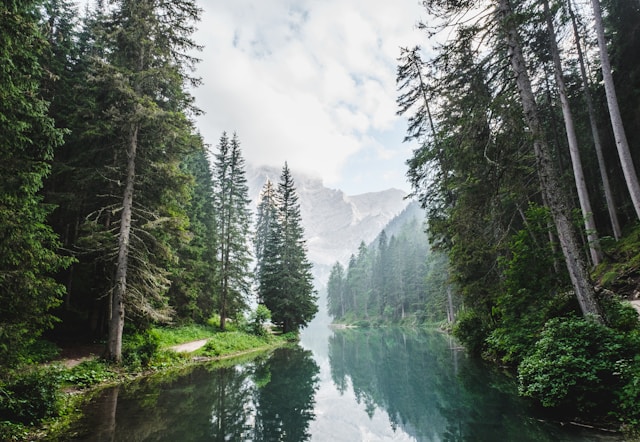
Forests are found on nearly every continent and in a wide range of climates and landscapes. From warm tropical rainforests filled with dense vegetation to cold boreal forests near the Arctic, these ecosystems vary greatly in appearance, climate, wildlife, and plant life. Each type of forest has developed in response to local conditions such as temperature, rainfall, soil, altitude, and seasonal changes.
Understanding the different types of forests around the world helps explain why these ecosystems are so important. Forests provide habitats for wildlife, store carbon, protect soil, influence the water cycle, and support millions of people. Although all forests share certain characteristics, their ecological features can be remarkably different.
The major forest types are generally classified according to climate, vegetation, and geographic location. The most commonly recognized categories include tropical forests, temperate forests, boreal forests, subtropical forests, Mediterranean forests, and montane forests. Within these broad groups are many specialized ecosystems with unique characteristics.
What Is a Forest?
A forest is an ecosystem dominated by trees and other forms of vegetation. It includes much more than the trees themselves. Forest ecosystems contain shrubs, grasses, fungi, insects, birds, mammals, microorganisms, soil, water, and other living and nonliving components.
There is no single worldwide definition of exactly how many trees are required for an area to be considered a forest. Different organizations and countries may use different classification systems. However, forests are generally distinguished from other ecosystems by their substantial tree cover and the ecological relationships that develop around it.
Climate is one of the strongest factors determining what type of forest can develop in a particular location.
Tropical Forests
Tropical forests are found mainly in regions near the equator where temperatures remain relatively warm throughout much of the year. Many tropical forests receive high levels of rainfall, creating conditions that support dense vegetation and exceptional biodiversity.
Tropical forests are particularly important because they contain a large proportion of the world’s plant and animal species.
Tropical Rainforests
Tropical rainforests are among the most biologically diverse ecosystems on Earth. They typically receive abundant rainfall throughout the year and have relatively small seasonal temperature variations.
The vegetation can form several layers, including tall emergent trees, a canopy, an understory, and vegetation closer to the forest floor. This layered structure creates many different habitats for animals and plants.
Tropical rainforests can be found in parts of South America, Central America, Africa, Southeast Asia, and other tropical regions.
Animals that may live in tropical rainforests include monkeys, large cats, parrots, snakes, frogs, insects, and countless smaller organisms. Many species are highly specialized and depend on particular forest conditions for survival.
Tropical Seasonal Forests
Not all tropical forests receive constant rainfall. Tropical seasonal forests experience distinct wet and dry periods. During the dry season, some trees may lose their leaves to conserve water.
These forests can be less dense than tropical rainforests, but they remain important habitats for a wide variety of plants and animals.
Seasonal tropical forests are found in areas of Africa, Asia, Central and South America, and other regions with warm climates and pronounced seasonal rainfall.
Temperate Forests
Temperate forests occur in regions with moderate climates and noticeable seasonal changes. They can be found across parts of North America, Europe, Asia, South America, and Oceania.
Temperate forests generally experience greater temperature variation throughout the year than tropical forests. Many contain trees that are adapted to cold winters and warmer summers.
Temperate Deciduous Forests
Temperate deciduous forests are characterized by trees that shed their leaves during part of the year, usually before or during winter.
Common tree species can include oak, maple, beech, birch, and other broadleaf trees, depending on the region. During autumn, leaves may change color before falling, creating seasonal landscapes that are visually distinctive.
These forests often have fertile soils because fallen leaves decompose and return nutrients to the ground. They also provide habitats for deer, foxes, squirrels, birds, insects, and many other organisms.
Temperate Evergreen Forests
Some temperate forests are dominated by evergreen trees that retain their leaves or needles throughout the year. These forests can occur in areas with relatively mild climates or specific soil and rainfall conditions.
Evergreen forests may contain species such as pine, fir, spruce, cedar, or other regionally adapted trees.
The structure and biodiversity of temperate evergreen forests can vary significantly depending on local climate and geography.
Boreal Forests
Boreal forests, also known as taiga, occur across high northern latitudes. They form a vast belt across parts of Canada, Alaska, northern Europe, and Russia.
Boreal regions generally have long, cold winters and short growing seasons. Trees in these forests are adapted to low temperatures, snow, and relatively limited periods of active growth.
Common Boreal Tree Species
Boreal forests are often dominated by coniferous trees such as spruce, pine, fir, and larch. Their narrow leaves or needles and other physical adaptations can help them survive cold conditions.
The forest floor may contain mosses, lichens, shrubs, and other plants that can tolerate the climate.
Boreal forests are home to animals such as moose, bears, wolves, lynx, reindeer, beavers, and numerous bird species.
Why Boreal Forests Matter
Boreal forests cover enormous areas and store large quantities of carbon in both vegetation and soils. Cold conditions can slow decomposition, allowing organic material to accumulate in some areas.
These forests are therefore important components of the global carbon cycle. They also provide habitats for wildlife and support communities that depend on forest resources.
Subtropical Forests
Subtropical forests occur between tropical and temperate climate zones. They can experience warm conditions for much of the year but may also have cooler seasons or periodic temperature changes.
Subtropical forests vary widely. Some are humid and evergreen, while others experience seasonal dryness. The vegetation depends heavily on local rainfall, soil, elevation, and geography.
These forests can be found in parts of southern China, southeastern regions of the United States, Australia, South America, Africa, and other areas with suitable climates.
Because subtropical regions can support a mixture of tropical and temperate species, they may contain diverse plant communities.
Mediterranean Forests and Woodlands
Mediterranean-type forests and woodlands occur in regions characterized by hot, dry summers and relatively mild, wetter winters. The Mediterranean Basin is the best-known example, but similar climates exist in parts of California, central Chile, southwestern Australia, and southern Africa.
Plants in these ecosystems have developed adaptations that allow them to survive seasonal drought and, in many areas, periodic fires.
Plants Adapted to Dry Conditions
Mediterranean vegetation may include evergreen shrubs, small trees, grasses, and drought-tolerant plants. Some species have thick or waxy leaves that reduce water loss.
Fire is also an important ecological factor in many Mediterranean-type ecosystems. Some plants can survive fire or regenerate afterward, although frequent or unusually severe fires can damage ecosystems and prevent natural recovery.
Montane and Mountain Forests
Montane forests grow in mountainous regions where altitude strongly influences climate and vegetation. Temperatures generally become cooler as elevation increases, meaning different types of forest can occur at different heights on the same mountain.
Lower elevations may support forests resembling those found in nearby lowland regions. Higher elevations can contain specialized forests adapted to colder temperatures, strong winds, steep terrain, and shorter growing seasons.
Cloud Forests
Cloud forests are a distinctive type of montane forest found in humid tropical or subtropical mountain environments. They are frequently covered by mist or low clouds, creating consistently moist conditions.
These forests can support mosses, ferns, orchids, bromeliads, and other plants that thrive in high humidity. Their unique conditions also provide habitat for specialized birds, amphibians, insects, and other wildlife.
Cloud forests are often particularly sensitive to environmental changes because their species can depend on narrow temperature and moisture conditions.
Mangrove Forests
Mangrove forests grow along tropical and subtropical coastlines, particularly in sheltered areas where saltwater and freshwater interact.
Mangrove trees have remarkable adaptations that allow them to survive in salty, waterlogged soils. Their specialized roots help them remain stable in muddy coastal environments and can create important habitats for fish, birds, crustaceans, and other organisms.
Why Mangroves Are Important
Mangrove forests provide several environmental benefits. Their roots can help stabilize coastlines, reduce erosion, and provide natural protection from waves and storms.
They are also important carbon-storing ecosystems. Carbon can accumulate not only in the vegetation but also in the sediments beneath mangrove forests.
Because coastal areas face pressures from development, pollution, rising sea levels, and other environmental changes, conserving mangrove ecosystems is increasingly important.
Swamp and Wetland Forests
Some forests develop in areas where soils remain saturated with water for long periods. These wetland forests can occur in tropical, temperate, and other climate zones.
Swamp forests may contain trees adapted to standing water or waterlogged soils. They provide habitats for fish, amphibians, birds, insects, reptiles, and mammals.
Wetland forests can also help store water, reduce flooding in some landscapes, and support important ecological processes.
The exact characteristics of a swamp forest depend on climate, water conditions, soil type, and the species present.
Cloud, Montane, and Other Specialized Forests
Forest classification does not always fit neatly into a small number of categories. Many ecosystems have characteristics that overlap several major forest types.
For example, a forest can be both montane and tropical, while a coastal forest can contain mangroves alongside other vegetation. Forest ecosystems can also change gradually across landscapes rather than ending at clear boundaries.
Altitude, rainfall, temperature, soil, and exposure can create a series of ecological zones within a relatively small geographic area.
This diversity is one reason forests are so valuable for scientific research and conservation.
How Forest Types Differ From One Another
The world’s forests can be compared according to several major characteristics.
Climate
Temperature and rainfall strongly influence which tree species can survive. Tropical forests generally experience warm conditions, while boreal forests must withstand long periods of cold.
Vegetation
Forest composition varies according to climate and soil. Some forests are dominated by broadleaf trees, while others contain mostly conifers, palms, shrubs, or specialized coastal plants.
Biodiversity
Tropical forests generally support exceptionally high species diversity, while boreal forests often have fewer tree species but still provide important habitats for specialized wildlife.
Seasonal Changes
Some forests remain green throughout the year, while others undergo dramatic seasonal changes. Deciduous forests lose their leaves during unfavorable seasons, while many tropical seasonal forests respond to periods of drought.
Why Different Forest Types Matter
Every forest type provides important ecological services. Forests can store carbon, regulate water, protect soil, support biodiversity, and provide resources for people.
Different forest ecosystems also contain species that may not survive elsewhere. Losing a particular forest type can therefore mean losing unique habitats and ecological functions.
Forest diversity across the planet also contributes to overall ecological resilience. Protecting a variety of forest types helps maintain the natural systems that support life in different regions.
Threats Facing Forests Around the World
Although forest ecosystems differ considerably, many face similar threats. These include deforestation, habitat fragmentation, unsustainable logging, agricultural expansion, mining, urban development, pollution, invasive species, and severe fires.
Climate change can add further pressure by changing temperature and rainfall patterns and increasing environmental stress in some regions.
The severity of these threats varies from one forest type to another. A conservation strategy that works in a tropical rainforest may not be suitable for a boreal forest or mangrove ecosystem.
Effective conservation therefore requires an understanding of local environmental conditions.
How Forests Can Be Protected
Forest conservation can involve several approaches, depending on the ecosystem and local circumstances.
Protected areas can safeguard important habitats from destructive land-use changes. Sustainable forest management can allow communities to obtain resources while maintaining forest health. Restoration can help damaged landscapes recover their ecological functions.
Other important measures include preventing illegal forest clearing, protecting wildlife corridors, controlling invasive species, managing fire risks appropriately, and involving local communities in conservation decisions.
Successful forest protection should consider both environmental needs and the people who depend on forest resources.
Conclusion
The forests of the world are remarkably diverse. Tropical rainforests thrive in warm, wet environments, temperate forests experience pronounced seasons, boreal forests survive in cold northern regions, and specialized ecosystems such as mangroves, cloud forests, and Mediterranean woodlands have developed unique adaptations to their surroundings.
Despite their differences, all forest types play valuable roles in supporting life. They provide habitats, influence climate and water systems, protect soil, store carbon, and supply resources to communities.
Learning about different types of forests makes it easier to understand why conservation cannot rely on a single approach. Each ecosystem has its own characteristics, species, environmental pressures, and management needs.
Protecting forests around the world means protecting this remarkable ecological diversity. By conserving existing forests, managing natural resources responsibly, and restoring damaged ecosystems, societies can help ensure that these important environments continue to support people and wildlife for generations to come.

