
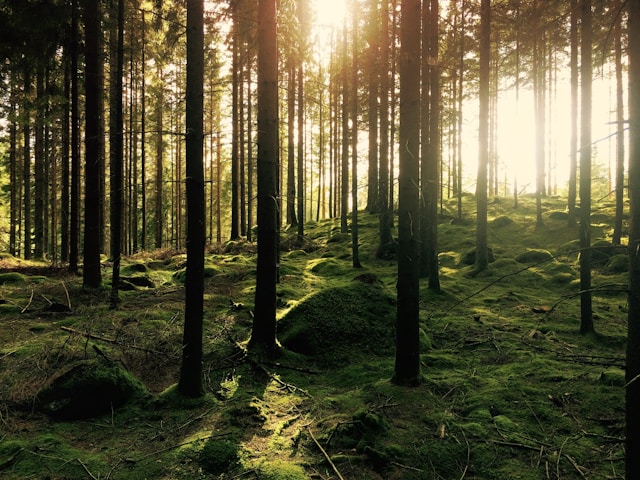
Forests are among the most important natural ecosystems on Earth. They provide habitats for wildlife, support communities, protect soil, store carbon, and contribute to the balance of the climate. Two of their most valuable benefits are often overlooked in everyday life: forests help maintain clean air and protect fresh water.
From large tropical rainforests to mountain woodlands and smaller forests near towns and cities, trees and forest ecosystems influence the quality and availability of natural resources that people depend on every day. Forests interact with the atmosphere, soil, rainfall, rivers, and groundwater in complex ways. When these ecosystems are healthy, they can help filter pollutants, regulate water movement, reduce erosion, and support reliable freshwater systems.
Understanding the connection between forests, clean air, and fresh water highlights why protecting forests is important not only for wildlife but also for human communities and future generations.
How Forests Help Keep the Air Clean
Trees and other forest vegetation interact continuously with the atmosphere. Through photosynthesis, trees absorb carbon dioxide and release oxygen. While forests are not the only source of oxygen in the atmosphere, this process is an important part of the natural carbon and oxygen cycles.
Forests also affect air quality in other ways. Tree leaves and branches can capture some airborne particles, while vegetation can influence temperature, humidity, and air movement. These effects can be especially valuable around populated areas where trees provide additional environmental benefits.
Trees Absorb Carbon Dioxide
Carbon dioxide is naturally present in the atmosphere, but human activities such as burning fossil fuels have increased its concentration. Trees absorb carbon dioxide during photosynthesis and use the carbon to support their growth.
Some of the absorbed carbon becomes stored in trunks, branches, roots, leaves, and forest soils. This makes healthy forests important components of the global carbon cycle.
Protecting forests helps preserve these natural carbon stores. When forests are cleared or severely damaged, some of the carbon stored in vegetation and soil can eventually return to the atmosphere.
Forests Can Capture Airborne Particles
Leaves, branches, and other vegetation can intercept certain particles suspended in the air. Some particles can settle on plant surfaces and later be removed through rainfall or other natural processes.
The effectiveness of this process depends on factors such as tree species, forest structure, weather conditions, and the type and concentration of pollutants. Forests should not be considered a replacement for reducing pollution at its source, but vegetation can contribute to healthier local environments.
Forests Influence Local Temperatures
Trees can help moderate temperatures by providing shade and releasing water vapor through transpiration. This can make forested areas feel cooler than nearby locations with little vegetation, particularly during hot weather.
The cooling effect of trees is also useful in cities. Roads, buildings, and other hard surfaces can absorb and retain heat, contributing to higher temperatures in densely developed areas. Urban trees can provide shade over streets, homes, parks, and public spaces.
The Role of Urban Forests
Urban forests include trees in parks, streets, gardens, public spaces, and other developed areas. Although they are generally much smaller than natural forests, they can provide meaningful environmental benefits.
Well-planned urban vegetation can:
- Provide shade for pedestrians and buildings.
- Reduce heat exposure in some areas.
- Improve the appearance of neighborhoods.
- Provide habitat for birds and insects.
- Help manage stormwater.
- Contribute to healthier outdoor environments.
Maintaining urban trees is therefore part of creating more resilient and comfortable communities.
Forests Are Closely Connected to Fresh Water
The relationship between forests and freshwater begins with the water cycle. Rain falls onto forest canopies, flows along branches and trunks, reaches the soil, and moves through the ground. Some water is absorbed by tree roots, while some continues into streams, rivers, wetlands, and underground water systems.
Forest ecosystems can influence how quickly water moves through a landscape. This affects both the quantity and quality of water available downstream.
Many rivers and streams originate in or pass through forested watersheds. Protecting these areas can help maintain healthy freshwater systems.
Forests Help Filter Water Naturally
One of the important functions of a forest is its ability to slow and filter water as it moves through the landscape.
Forest soil often contains layers of organic material, roots, microorganisms, and soil particles that interact with water. As rainfall moves through this environment, some sediments and substances can be retained or transformed before the water reaches streams and rivers.
This natural filtration does not remove every contaminant, and forests cannot replace modern water treatment systems where treatment is required. However, healthy forested watersheds can provide an important first line of protection for water resources.
Forests Reduce Sediment in Rivers
When heavy rainfall falls on exposed soil, water can carry soil particles into nearby waterways. Excess sediment can make water cloudy and damage aquatic habitats.
Trees and other vegetation help reduce this problem. Their roots hold soil together, while leaves and branches slow rainfall before it reaches the ground. Organic material on the forest floor also protects the soil surface.
By reducing erosion, forests can help limit the amount of sediment entering streams and rivers.
Tree Roots Help Stabilize Soil
A healthy root system can bind soil particles together and increase the stability of the ground. This is particularly important on hillsides and in areas that experience heavy rainfall.
When forests are removed, soil may become more exposed to wind and water erosion. During intense rainfall, large quantities of loose soil can be transported into waterways.
Protecting forest vegetation therefore provides benefits that extend beyond the trees themselves. It helps preserve the soil that supports plant growth while also protecting nearby water bodies.
Forests Help Regulate Rainwater
Forests can influence how rainfall is distributed across a landscape. Tree canopies intercept some rainfall, and the forest floor can absorb and retain water.
Instead of all rainfall immediately becoming surface runoff, some water can infiltrate into the soil. This can reduce the speed and volume of water flowing across the land during certain rainfall events.
The exact effect varies depending on soil type, forest condition, rainfall intensity, slope, and other local factors. Nevertheless, forests can play an important role in natural water management.
Forests Support Groundwater Recharge
Groundwater is water stored beneath the Earth’s surface. It supplies wells, springs, rivers, wetlands, agriculture, and communities in many parts of the world.
Forested landscapes can support groundwater recharge by allowing some rainfall to infiltrate into the soil rather than immediately running off the surface. Tree roots can create channels in the soil, while organic matter can improve soil structure and water retention.
Healthy soils are particularly important because they allow water to move through the ground while reducing excessive runoff and erosion.
Forests Protect Rivers, Lakes, and Reservoirs
The condition of land surrounding a water source can strongly influence water quality. Forested areas around rivers, lakes, and reservoirs can provide a protective buffer between waterways and activities that disturb the soil.
Vegetation along streams is especially valuable. Trees, shrubs, grasses, and other plants can stabilize riverbanks and provide shade over water.
Why Shaded Streams Matter
Trees growing near streams can reduce direct sunlight reaching the water. This can help regulate water temperatures and create more suitable conditions for certain aquatic organisms.
Fallen leaves and branches also provide organic material that contributes to aquatic food webs. At the same time, roots help stabilize streambanks and reduce erosion.
These interactions demonstrate that forests and freshwater ecosystems are closely connected rather than separate environmental systems.
Forests Support Healthy Watersheds
A watershed is an area of land where water drains toward a common river, lake, stream, or other body of water. Forests within watersheds can influence how water moves from the landscape into these systems.
A healthy watershed can provide benefits such as:
- Improved water infiltration.
- Reduced soil erosion.
- Lower sediment movement.
- Better protection of streams and rivers.
- Support for wildlife habitats.
- More stable natural water processes.
Because communities often depend on watershed systems for drinking water, agriculture, industry, and ecosystems, protecting forests within these areas can have broad benefits.
Deforestation Can Harm Air and Water Quality
When forests are cleared, many of their natural functions are reduced or lost. Removing trees can decrease carbon storage, expose soil, increase erosion, and change the way rainfall moves across the landscape.
Without vegetation to hold soil in place, rainfall can carry more sediment into rivers and lakes. Deforestation can also alter local water cycles and increase surface runoff in some landscapes.
The consequences depend on the size and location of forest loss, the replacement land use, soil conditions, and local climate. However, widespread forest clearing can place additional pressure on freshwater resources and environmental quality.
Forest Fires Can Affect Air and Water
Wildfires are natural components of some forest ecosystems, but severe fires can have significant environmental effects. Smoke from large fires can contain gases and particles that reduce air quality over wide areas.
After a major fire, vegetation and organic material that previously protected soil may be lost. Rainfall can then carry ash, sediment, and other materials into streams and reservoirs.
This means the effects of a major forest fire can continue after the flames are gone. Forest recovery and careful watershed management can be important for restoring environmental conditions.
Protecting Forests Protects More Than Trees
Forest conservation is sometimes discussed primarily in terms of protecting wildlife or reducing carbon emissions. These are important goals, but the benefits extend much further.
Protecting forests can also help safeguard:
- Drinking water sources.
- Rivers and streams.
- Groundwater systems.
- Agricultural watersheds.
- Soil quality.
- Local air quality.
- Wildlife habitats.
- Natural landscapes.
This broader perspective shows why forest conservation can benefit entire communities.
How Communities Can Help Protect Forests and Water
Forest and water conservation requires cooperation between governments, communities, landowners, businesses, and individuals.
Communities can protect local forests and watersheds by supporting responsible land-use planning, preventing unnecessary clearing, maintaining vegetation near waterways, and participating in environmental restoration projects.
Individuals can also make practical contributions by reducing waste, using natural resources responsibly, avoiding pollution, protecting trees, and respecting rules in forests and other natural areas.
Where tree planting is appropriate, projects should focus on suitable species and locations and include long-term care. Simply planting large numbers of trees without considering local ecosystems does not guarantee a healthy forest.
Why Forest Conservation Matters for Future Generations
Clean air and reliable freshwater supplies are fundamental to human life. Although modern technology can treat water and control certain forms of pollution, natural ecosystems provide valuable services that are difficult and expensive to replace completely.
Forests have developed over long periods, and mature ecosystems can contain complex relationships between plants, animals, soil, water, and microorganisms. Protecting these systems today helps maintain their benefits for the future.
Future generations will need healthy watersheds, functioning ecosystems, and natural resources just as much as people do today. Conserving forests is therefore an investment in long-term environmental security.
Conclusion
Forests are essential for maintaining healthy air and freshwater systems. Trees absorb carbon dioxide, contribute to natural atmospheric processes, capture some airborne particles, provide shade, and influence local temperatures. At the same time, forest ecosystems help regulate rainfall, protect soil, reduce erosion, filter water, support groundwater recharge, and protect rivers and streams.
These benefits demonstrate that forests are much more than collections of trees. They are complex natural systems that connect the atmosphere, land, and water.
Protecting forests can help preserve clean water sources, healthier landscapes, wildlife habitats, and environmental stability. Responsible forest management, conservation, restoration, and sustainable land use can ensure that these valuable ecosystems continue supporting people and nature for generations to come.

