
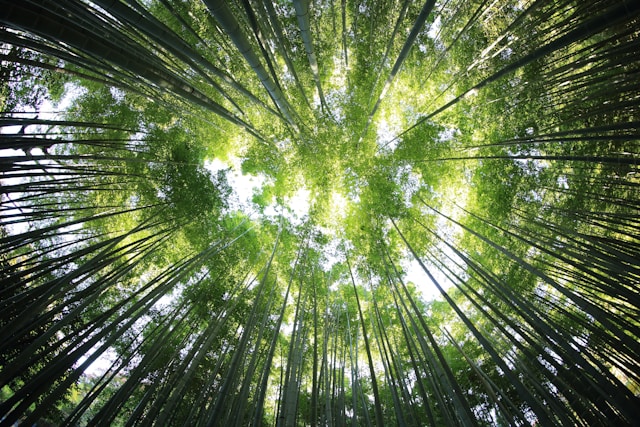
Forests are some of the most important habitats on Earth. They provide food, shelter, breeding areas, and safe places for countless species of plants, animals, fungi, and microorganisms. From tropical rainforests to temperate woodlands and boreal forests, each ecosystem supports its own communities of wildlife and contributes to the overall diversity of life on the planet.
Biodiversity refers to the variety of living organisms found in an environment. It includes the number of different species, the genetic differences within species, and the variety of ecosystems in which life exists. Forests contribute to all three levels of biodiversity by creating complex environments where many organisms can interact and depend on one another.
The relationship between forests and wildlife is also highly interconnected. Trees provide food and shelter, insects pollinate plants, birds disperse seeds, fungi help trees obtain nutrients, and predators help maintain ecological balance. When forests remain healthy, these relationships can support resilient and productive ecosystems.
Forests Provide Essential Wildlife Habitats
One of the most important ways forests support biodiversity is by providing habitat. Wildlife needs suitable places to live, find food, reproduce, raise young, and avoid threats. Forests provide these resources in many different forms.
A single forest can contain several layers of habitat. Tall trees create a canopy, smaller plants grow beneath them, and shrubs, fallen branches, leaf litter, and soil provide additional environments closer to the ground.
This variety allows many species to occupy different parts of the same forest without competing for exactly the same resources.
The Forest Canopy
The canopy is the upper layer formed by the branches and leaves of trees. In many forests, it can support a remarkable variety of organisms.
Birds may build nests among the branches, insects feed on leaves and flowers, and climbing mammals use branches as pathways. Epiphytes and other plants may grow on trees without taking nutrients directly from the soil.
Because the canopy receives substantial sunlight, it can support an active community of plants and animals that differs significantly from the forest floor.
The Forest Floor
The forest floor is another important habitat. Fallen leaves, dead wood, roots, fungi, insects, and microorganisms create a complex environment where decomposition and nutrient cycling take place.
Small mammals, reptiles, amphibians, insects, and countless microscopic organisms may live among leaf litter, rocks, roots, and decaying vegetation.
Although the forest floor may appear quiet compared with the canopy, it can contain extensive biological activity.
Forests Provide Food for Wildlife
Animals depend on forests for many different food sources. Depending on the ecosystem, these may include fruits, seeds, nuts, leaves, flowers, nectar, bark, insects, fungi, and other animals.
Different species often specialize in particular foods. Some birds rely on insects, while others eat seeds or fruit. Herbivores may feed on leaves and grasses, while predators depend on other animals.
This creates interconnected food webs.
Food Webs Keep Forest Ecosystems Balanced
A food web describes how organisms are connected through feeding relationships. Plants are generally the foundation because they convert sunlight into energy through photosynthesis.
Herbivores consume plants, while carnivores and omnivores may consume herbivores or other animals. Decomposers break down dead organic matter and return nutrients to the ecosystem.
These relationships mean that changes affecting one species can sometimes influence many others. Protecting forest biodiversity helps maintain the complex interactions that allow these food webs to function.
Forests Provide Shelter and Nesting Sites
Trees and vegetation offer wildlife many forms of shelter. Hollow tree trunks can provide nesting or resting areas for birds and mammals. Dense vegetation can protect small animals from predators and harsh weather.
Fallen logs can also become important habitats. As wood decomposes, it provides food and shelter for insects, fungi, amphibians, and microorganisms.
Different species may depend on specific types of forest structures. For example, some birds require mature trees with cavities, while certain insects may rely on decaying wood.
This is why preserving only the number of trees in a forest is not always enough. The age, structure, and diversity of the forest also matter.
Forests Support Pollinators
Many forest plants depend on animals to transfer pollen between flowers. Bees, butterflies, moths, beetles, birds, bats, and other animals can act as pollinators.
These relationships are particularly important because successful pollination allows plants to produce seeds and reproduce.
Forests provide pollinators with flowers, nesting sites, shelter, and food throughout different parts of the year. Protecting forest habitats can therefore contribute to the survival of pollinating species and the plants that depend on them.
Forests Help With Seed Dispersal
Wildlife also plays an important role in spreading plants. Birds and mammals may eat fruits and later carry or deposit seeds in different locations.
Some seeds can also be transported by animals that collect and store them. This natural movement allows plants to colonize new areas and regenerate forests.
Seed dispersal is an excellent example of how forests depend on relationships between plants and animals. Trees provide food to wildlife, while wildlife can help trees reproduce and spread.
Forests Support Decomposers and Soil Life
Biodiversity in forests is not limited to large and easily recognizable animals. Soil contains enormous communities of microorganisms, fungi, insects, worms, and other organisms.
Decomposers break down dead leaves, fallen branches, dead animals, and other organic material. This process returns nutrients to the soil, making them available for plants.
The Importance of Fungi
Fungi are particularly important members of forest ecosystems. Many fungi help decompose organic matter, while others form relationships with tree roots.
Mycorrhizal fungi can connect with plant roots and help plants obtain nutrients and water. In return, plants provide fungi with compounds produced through photosynthesis.
These underground relationships demonstrate that much of a forest’s biodiversity exists below the surface.
Forests Provide Important Wildlife Corridors
Animals do not always remain in one small area. Many species need to move between feeding grounds, breeding areas, water sources, and seasonal habitats.
Large continuous forests can provide pathways for this movement. These pathways are often called wildlife corridors or ecological corridors.
When forests become divided by roads, farms, cities, or other developments, animal movement can become more difficult. Maintaining connections between forest habitats can help reduce isolation and support healthier wildlife populations.
Forest Fragmentation Can Threaten Biodiversity
Forest fragmentation occurs when a large forest is divided into smaller, isolated sections. Even when some trees remain, fragmentation can change the conditions within the habitat.
Smaller forest patches may have more exposed edges, where sunlight, wind, temperature, and humidity differ from conditions deeper inside the forest.
Some species can tolerate these changes, while others require interior forest conditions. Fragmentation can also make it harder for animals to move between populations.
Maintaining connected forest landscapes is therefore an important part of biodiversity conservation.
Tropical Forests Are Especially Rich in Biodiversity
Tropical forests are well known for their extraordinary biological diversity. Warm temperatures and abundant rainfall in many tropical regions create conditions that support a wide range of plants and animals.
Tropical rainforests can contain numerous species within relatively small areas. Different organisms may occupy specialized ecological niches in the canopy, understory, forest floor, rivers, and surrounding environments.
However, tropical forests are not the only important biodiversity hotspots. Temperate, boreal, montane, and coastal forests also support species that are specially adapted to their environments.
Every forest ecosystem has conservation value.
Forests Protect Rare and Specialized Species
Some wildlife species have very specific habitat requirements. They may depend on a particular tree species, nesting structure, food source, water condition, or temperature range.
When these habitats disappear, specialized species may have difficulty surviving.
Forest conservation can therefore help protect species that cannot easily adapt to rapid changes in their environment. Preserving diverse forest structures can provide a greater range of habitats for different organisms.
Forests Help Ecosystems Recover From Disturbances
Healthy biodiversity can contribute to ecosystem resilience. An ecosystem with many species and complex ecological relationships may have more opportunities to recover after certain disturbances.
For example, if one plant species becomes less common, other plants may continue performing some related ecological functions. Different organisms can also respond differently to drought, disease, storms, or other environmental pressures.
Resilience does not mean that forests are immune to damage. Severe or repeated disturbances can still cause long-term ecological changes. However, maintaining biodiversity can improve the capacity of ecosystems to respond to environmental challenges.
Forests and Climate Change
Climate change is creating additional challenges for forest biodiversity. Changes in temperature, rainfall, drought frequency, fire conditions, and seasonal patterns can affect plants and animals.
Some species may be able to move to cooler or more suitable areas, while others may have limited opportunities to relocate. Species with highly specialized habitat requirements can be particularly vulnerable.
Healthy and connected forests can help wildlife adapt by providing larger areas of suitable habitat and allowing species to move across landscapes.
Forest conservation is therefore closely connected to broader efforts to protect biodiversity in a changing climate.
Major Threats to Forest Wildlife
Forest biodiversity faces several major threats around the world. Habitat destruction is one of the most significant because animals and plants cannot survive without suitable environments.
Other threats include:
- Deforestation and land conversion.
- Habitat fragmentation.
- Illegal or unsustainable hunting.
- Unsustainable logging.
- Pollution.
- Invasive species.
- Large or unusually severe fires.
- Climate-related changes.
- Loss of food sources and nesting habitats.
These pressures can interact with one another. For example, habitat fragmentation can make wildlife populations smaller and more isolated, potentially making them more vulnerable to other environmental pressures.
How Forests Can Be Protected
Protecting biodiversity requires more than simply preventing all human activity in every forest. Conservation strategies should reflect the characteristics of each ecosystem and the needs of local communities.
Protected areas can safeguard important habitats from destructive development. Sustainable forest management can reduce unnecessary damage while allowing people to use forest resources responsibly.
Restoring degraded forests can also improve habitat quality. Restoration may involve planting appropriate native species, allowing natural regeneration, protecting waterways, and reconnecting fragmented habitats.
The Role of Local Communities
People who live in and around forests are often closely connected to local ecosystems. Their knowledge and participation can be valuable in conservation and sustainable management.
Successful conservation programs can consider local livelihoods, cultural practices, land rights, and environmental priorities. When communities are involved in protecting natural resources, conservation efforts can become more practical and sustainable over the long term.
What Individuals Can Do to Support Forest Biodiversity
People can contribute to forest conservation through everyday choices and community activities.
Reducing unnecessary waste, using forest products responsibly, avoiding pollution, respecting wildlife, and following rules when visiting natural areas can all help.
People can also learn about local forests and participate in habitat restoration, tree planting where appropriate, wildlife monitoring, or community conservation projects.
It is important to remember that planting trees is not always the same as restoring a forest. A healthy forest contains many species and ecological relationships, so conservation efforts should focus on creating or maintaining functioning ecosystems rather than simply increasing tree numbers.
Why Forest Biodiversity Matters to People
The benefits of forest biodiversity extend beyond wildlife. Humans depend on functioning ecosystems for clean water, healthy soils, pollination, food resources, climate regulation, and many other services.
Forests also provide opportunities for recreation, education, scientific research, tourism, and cultural activities.
When biodiversity is lost, ecological functions can also be affected. Protecting wildlife and plant species therefore contributes to the health of ecosystems that people depend on.
Conclusion
Forests are essential to biodiversity because they provide food, shelter, breeding grounds, migration routes, and countless ecological relationships. From large mammals and birds to insects, fungi, and microscopic organisms, an enormous variety of life depends on forest environments.
Healthy forests are more than collections of trees. They are interconnected communities where plants, animals, fungi, microorganisms, soil, water, and climate influence one another. Protecting these relationships is essential for maintaining functioning ecosystems.
Deforestation, fragmentation, pollution, unsustainable resource use, and climate change can place significant pressure on forest biodiversity. Conservation, responsible forest management, habitat restoration, and community participation can help address these challenges.
By protecting forests and the wildlife that depends on them, societies can preserve some of the planet’s most valuable natural ecosystems. Maintaining forest biodiversity today can help ensure that these ecosystems continue supporting both wildlife and people for generations to come.

